Introduction
The debate between whey protein and plant protein has intensified as more athletes explore plant-based nutrition. Some claim plant proteins are inferior for muscle building. Others argue they’re just as effective when used correctly. If you’re trying to build muscle and wondering which protein source deserves your money and trust, you need facts—not marketing hype or dietary dogma.
This comparison breaks down the science behind whey and plant proteins, examining their effectiveness for muscle growth, digestibility, amino acid profiles, and practical considerations. Whether you’re committed to plant-based nutrition or simply curious about your options, understanding these differences helps you make informed decisions that support your goals. Beyond protein source, you’ll also need to determine how much protein you actually need to build muscle to maximize your results.
Understanding Protein Quality
Before comparing specific protein sources, you need to understand what makes protein “high quality” for muscle building. Two primary factors determine protein quality:
Amino Acid Profile
Complete proteins contain all nine essential amino acids your body cannot produce on its own. These amino acids—particularly leucine—are critical for triggering muscle protein synthesis. Proteins are ranked using metrics like the Protein Digestibility-Corrected Amino Acid Score (PDCAAS) or the newer Digestible Indispensable Amino Acid Score (DIAAS).
Digestibility and Bioavailability
How well your body digests and absorbs protein matters as much as what’s on the label. A protein source might contain impressive amounts of amino acids, but if your body can’t efficiently extract and utilize them, you’re not getting the full benefit.
Whey Protein: The Gold Standard
Whey protein has earned its reputation as the gold standard for muscle building, and the research backs it up.
Superior Amino Acid Profile
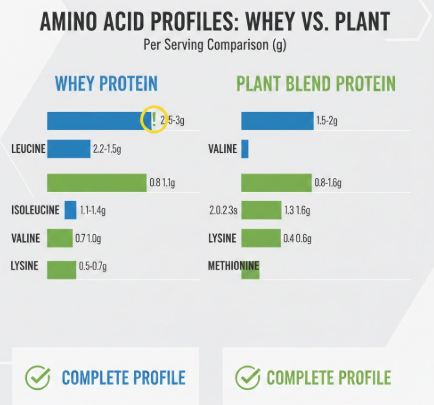
Whey protein contains all nine essential amino acids in optimal ratios for muscle building. More importantly, it’s exceptionally rich in leucine—the primary amino acid responsible for triggering muscle protein synthesis. A typical serving of whey protein provides 2.5-3 grams of leucine, which research shows is the threshold needed to maximally stimulate muscle growth.
Rapid Digestion and Absorption
Whey protein digests quickly, with amino acids hitting your bloodstream within 60-90 minutes. This rapid absorption makes whey ideal for post-workout recovery when your muscles are primed for nutrient uptake. The faster amino acids reach your muscles, the faster you can initiate the repair and growth process.
Proven Results
Decades of research demonstrate whey protein’s effectiveness for supporting muscle growth, strength gains, and recovery. A meta-analysis published in the British Journal of Sports Medicine found that whey protein supplementation combined with resistance training significantly increased lean body mass and strength compared to resistance training alone.
High Biological Value
Whey protein has one of the highest biological values of any protein source, meaning your body can efficiently use nearly all of the protein you consume. Less waste, more muscle-building potential.
Plant Protein: A Viable Alternative
Plant proteins have evolved significantly, and while they face certain challenges compared to whey, they can effectively support muscle building when used strategically.
Incomplete Amino Acid Profiles (Often)
Most individual plant proteins are incomplete, meaning they’re low or lacking in one or more essential amino acids. For example, rice protein is low in lysine, while pea protein is low in methionine. This doesn’t make plant proteins ineffective—it just means you need to be more strategic.
Solution: Protein Blending
Combining complementary plant proteins creates a complete amino acid profile. Rice and pea protein together provide all essential amino acids in effective ratios. Many high-quality plant protein powders use this blending strategy, and research shows these blends can support muscle growth comparably to whey when consumed in adequate amounts.
Lower Leucine Content
Plant proteins typically contain less leucine than whey. While whey provides 2.5-3 grams per serving, plant proteins often provide 1.5-2 grams. Since leucine is the primary trigger for muscle protein synthesis, this difference matters.
Solution: Higher Doses
Research suggests consuming slightly larger servings of plant protein—around 30-40 grams instead of 20-25 grams—can compensate for lower leucine content and trigger comparable muscle protein synthesis responses. When calculating your needs, refer to our guide on determining your optimal daily protein intake and adjust serving sizes accordingly based on your protein source.
Digestibility Concerns
Plant proteins generally have lower digestibility than animal proteins due to fiber content and anti-nutritional factors like phytates and tannins. Your body may absorb 90-95% of whey protein but only 70-85% of some plant proteins.
Solution: Quality Processing
Modern processing techniques significantly improve plant protein digestibility. High-quality plant protein isolates remove much of the fiber and anti-nutrients, increasing absorption rates. Look for plant proteins that specify their DIAAS score or digestibility rating.
Head-to-Head Comparison
Muscle Protein Synthesis
Research directly comparing whey and plant proteins shows whey typically produces a more robust immediate muscle protein synthesis response. A study in Medicine & Science in Sports & Exercise found whey protein stimulated greater muscle protein synthesis than soy protein when consumed post-exercise.
However, when plant protein doses were increased to match total leucine content, the difference diminished. This suggests plant proteins can be equally effective when consumed in appropriate amounts.
Long-Term Muscle Growth
While acute muscle protein synthesis studies favor whey, long-term training studies show smaller differences. A 12-week study in Sports Medicine comparing whey and pea protein found both groups experienced similar increases in muscle thickness and strength when combined with resistance training.
The key takeaway: if you consume adequate total protein throughout the day and train consistently, the protein source becomes less critical than simply hitting your daily targets with quality sources.
Recovery and Soreness
Both whey and plant proteins effectively support post-exercise recovery and reduce muscle soreness when consumed after training. The key is consuming them within the generous post-workout anabolic window, which extends several hours after you finish lifting.
Practical Considerations
Digestive Tolerance
Some people experience bloating, gas, or discomfort with whey protein, particularly if lactose intolerant. Plant proteins are naturally lactose-free and may be gentler on sensitive stomachs. However, some plant proteins—especially those high in fiber—can also cause digestive issues for certain individuals.
Environmental and Ethical Factors
Plant proteins have a significantly smaller environmental footprint than animal-based proteins. If sustainability and animal welfare are priorities for you, plant proteins align better with those values without necessarily sacrificing muscle-building effectiveness.
Taste and Texture
Whey protein generally mixes smoother and tastes better than plant proteins. While plant protein formulations have improved dramatically, many people still prefer whey’s texture and flavor profile. If you hate the taste of your protein powder, you won’t use it consistently—and consistency matters more than marginal differences in amino acid profiles.
Cost
Whey protein is typically more affordable per serving than high-quality plant protein blends. If budget is a primary concern and you have no issues with dairy, whey offers excellent value.

Making Your Choice
Choosing between whey and plant protein depends on your individual circumstances:
Choose Whey If:
- You want the most efficient, research-backed option for muscle building
- You have no issues digesting dairy
- Budget is a priority
- You prefer superior taste and mixability
Choose Plant Protein If:
- You follow a vegan or plant-based diet
- You’re lactose intolerant or have dairy sensitivities
- Environmental sustainability is important to you
- You’re willing to consume slightly larger servings
Both options can effectively support muscle growth when part of a well-designed nutrition plan. The protein source matters less than total daily protein intake, training consistency, and overall diet quality.
When selecting the best protein for muscle gain, focus on third-party tested products with transparent labeling, minimal fillers, and proven formulations—whether that’s whey, plant-based, or a combination of both.
The Bottom Line
Whey protein holds a slight edge for muscle building due to superior amino acid profiles, higher leucine content, and better digestibility. However, plant proteins can deliver comparable results when consumed in adequate amounts and combined strategically to create complete amino acid profiles.
The best protein for building muscle is the one you’ll actually use consistently. If you’re thriving on plant protein and hitting your daily targets, there’s no need to force whey into your diet. If whey works perfectly for you, there’s no reason to switch to plants unless you want to.
Focus on quality sources, hit your daily protein targets, train hard, and recover smart. Do that consistently, and you’ll build muscle regardless of whether your protein comes from a cow or a pea.