Introduction
For decades, the fitness industry has hammered one message into every lifter’s head: consume protein immediately after training or watch your gains disappear. The “anabolic window”—that supposedly narrow 30-minute post-workout period—has driven athletes to chug protein shakes in the gym parking lot and panic if they can’t eat within an hour of training.
But what if the anabolic window isn’t as critical as you’ve been told? What if the frantic rush to consume protein immediately after your last rep is based more on marketing than science?
Recent research has challenged long-held beliefs about protein timing, revealing a more nuanced and flexible approach to maximizing muscle growth. Understanding the truth about protein timing can reduce stress, optimize your nutrition strategy, and help you focus on what actually drives results—like selecting a high-quality protein source and hitting your daily intake targets consistently.
The Anabolic Window: What We Thought We Knew
The anabolic window concept emerged from early research suggesting that consuming protein and carbohydrates immediately post-workout maximized muscle protein synthesis and glycogen replenishment. The theory was that your muscles were especially receptive to nutrients right after training, and delaying protein intake would compromise recovery and growth.
This belief became gospel in the bodybuilding and fitness communities. Lifters developed elaborate post-workout rituals involving fast-digesting protein shakes consumed the moment they finished their last set. Supplement companies capitalized on this urgency, marketing specialized post-workout formulas as essential for anyone serious about gains.
What the Research Actually Shows
Modern research paints a very different picture of protein timing than the traditional anabolic window narrative suggests.
The Window Is Wider Than You Think
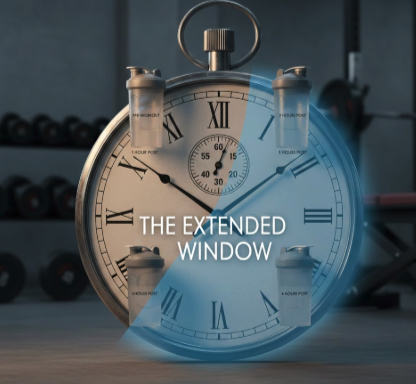
A comprehensive review published in the Journal of the International Society of Sports Nutrition examined protein timing research and found that the so-called anabolic window extends for several hours post-workout—not just 30-60 minutes. Your muscles remain highly responsive to protein intake for 4-6 hours after training, giving you significant flexibility in when you consume your post-workout meal.
This extended window exists because the muscle protein synthesis response to resistance training lasts much longer than previously thought. When you train hard, you create a muscle-building environment that persists well beyond the immediate post-workout period.
Total Daily Protein Intake Matters More
Here’s what really drives muscle growth: your total daily protein intake, not the exact timing of each meal. Research consistently shows that hitting your daily protein target—typically 0.7-1.0 grams per pound of bodyweight—is far more important than obsessing over whether you consumed protein 30 minutes or 2 hours post-workout.
A landmark study in Medicine & Science in Sports & Exercise compared protein timing against total daily protein intake. The results were clear: when total daily protein was adequate, timing had minimal impact on muscle growth and strength gains over time.
Pre-Workout Nutrition Creates a Buffer
If you’ve eaten a protein-rich meal within a few hours before training, you’ve essentially preloaded your system with amino acids. These amino acids are still circulating in your bloodstream and being absorbed during and after your workout, providing the raw materials your muscles need for recovery.
This means that if you eat a solid meal 2-3 hours before training, the urgency to consume protein immediately post-workout decreases significantly. You’ve already provided your body with the nutrients it needs.
When Protein Timing Does Matter
While the traditional anabolic window is overstated, protein timing isn’t completely irrelevant. There are specific scenarios where timing becomes more important:
Training Fasted
If you train first thing in the morning without eating, your body has been fasting for 8-10 hours. In this scenario, consuming protein relatively soon after training—within 1-2 hours—becomes more beneficial because you haven’t provided your muscles with amino acids recently.
Fasted training can increase muscle protein breakdown, and delaying protein intake for several additional hours may compromise recovery and growth potential in this context.
Multiple Training Sessions
Athletes or serious lifters training twice a day need to optimize recovery between sessions. In these cases, consuming protein soon after the first workout helps jumpstart recovery before the second session. The shorter your recovery window, the more timing matters.
Very Long Gaps Between Meals
If your schedule forces long periods without eating—say 6-8 hours between meals—strategically timing protein around your training helps minimize muscle protein breakdown and maximize synthesis. When you can’t eat frequently, timing becomes a more valuable tool.
Optimizing Your Protein Distribution
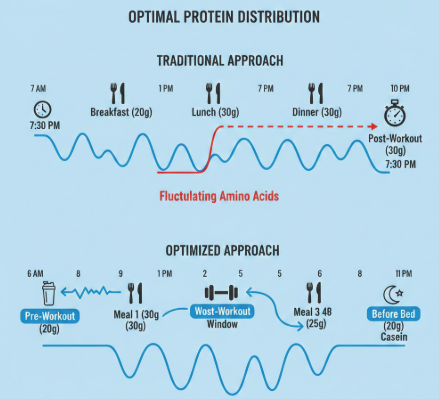
Rather than fixating on the anabolic window, focus on optimizing your protein distribution throughout the day. This approach is more practical, sustainable, and equally effective for building muscle.
Spread Protein Across Multiple Meals
Aim to consume 20-40 grams of protein per meal, spread across 3-5 meals throughout the day. This creates a consistent anabolic environment where your muscles have access to amino acids regularly, not just in a narrow window after training.
Research shows that distributing protein evenly throughout the day stimulates muscle protein synthesis more effectively than eating the majority of your protein in one or two large meals.
Don’t Neglect Protein Before Bed
Consuming protein before sleep—particularly slow-digesting casein protein—supports overnight muscle protein synthesis and minimizes muscle breakdown during the long fasting period while you sleep. Studies show that pre-sleep protein consumption can enhance muscle recovery and growth, especially when combined with resistance training.
A serving of 30-40 grams of casein before bed provides sustained amino acid release for 6-7 hours, keeping your muscles fed while you recover.
Consume Protein Around Training (But Be Flexible)
While immediate post-workout protein isn’t mandatory, consuming protein within a few hours of training is still beneficial. Whether that’s immediately after, 1 hour later, or 2 hours later matters less than ensuring you actually do it.
The practical approach: if it’s convenient to have a protein shake or meal shortly after training, do it. Whether you choose whey protein or a plant-based option matters less than consuming quality protein consistently throughout your day.
Practical Application: What This Means for You
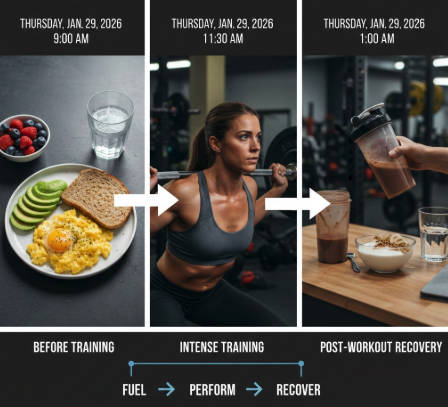
Here’s how to apply this research to your daily routine:
Scenario 1: Morning Training
If you train first thing in the morning without eating, prioritize protein consumption within 1-2 hours post-workout. Your post-workout meal doesn’t need to be immediately after your last set, but don’t wait until lunch 5 hours later.
Scenario 2: Afternoon/Evening Training
If you’ve eaten lunch a few hours before an afternoon training session, you have more flexibility. Your post-workout protein can be dinner 1-2 hours later, or even a protein shake an hour after training. The key is not letting 4-6 hours pass without protein after training.
Scenario 3: Limited Meal Frequency
If you can only eat 2-3 times daily due to your schedule, timing one of those meals around your training becomes more important. Try to position a protein-rich meal within 2-3 hours before or after training to maximize the benefits.
Common Mistakes to Avoid
Mistake 1: Stressing Over Minutes
Stop watching the clock and panicking if you can’t consume protein within 30 minutes of training. This stress is counterproductive and unnecessary. Focus on hitting your daily targets and consuming protein within a reasonable timeframe post-workout.
Mistake 2: Neglecting Total Daily Intake
Don’t let your focus on post-workout timing cause you to neglect your total daily protein intake. If you’re only hitting 0.5 grams per pound of bodyweight because you’re obsessed with timing one meal perfectly, you’ve missed the point entirely.
Mistake 3: Ignoring Pre-Workout Nutrition
Many people fixate on post-workout protein while eating nothing before training. A pre-workout meal 2-3 hours before training can be just as valuable—if not more so—than rushing protein consumption immediately post-workout.
The Real Keys to Muscle Growth
Protein timing is a minor detail in the bigger picture of muscle building. Here’s what actually drives results:
- Total Daily Protein Intake: Hit 0.7-1.0 grams per pound of bodyweight consistently
- Progressive Overload: Gradually increase training volume, intensity, or load over time
- Adequate Calories: Eat enough total calories to support muscle growth
- Quality Sleep: Prioritize 7-9 hours of quality sleep for recovery and hormone optimization
- Consistency: Train and eat well consistently for months and years, not days and weeks
When you compare the best protein for muscle gain options, focus on quality, third-party testing, and effective dosing rather than gimmicky “rapid absorption” marketing claims designed to exploit anabolic window fears.
The Bottom Line
The anabolic window exists, but it’s far wider and more forgiving than traditional fitness wisdom suggests. You have several hours post-workout to consume protein, not just 30 minutes. More importantly, your total daily protein intake and consistent training drive muscle growth far more than precise meal timing.
This doesn’t mean protein timing is worthless—strategic distribution throughout the day, including around training and before bed, can optimize your results. But it does mean you can stop stressing about consuming protein the instant you finish your last rep.
Focus on the fundamentals: hit your daily protein targets with high-quality sources, train hard with progressive overload, eat enough total calories, and recover properly.”
The best nutrition plan is the one you can sustain long-term. If obsessing over meal timing creates stress and unsustainable habits, you’re better off with a more flexible approach that you can maintain for years. Consistency beats perfection every time.